
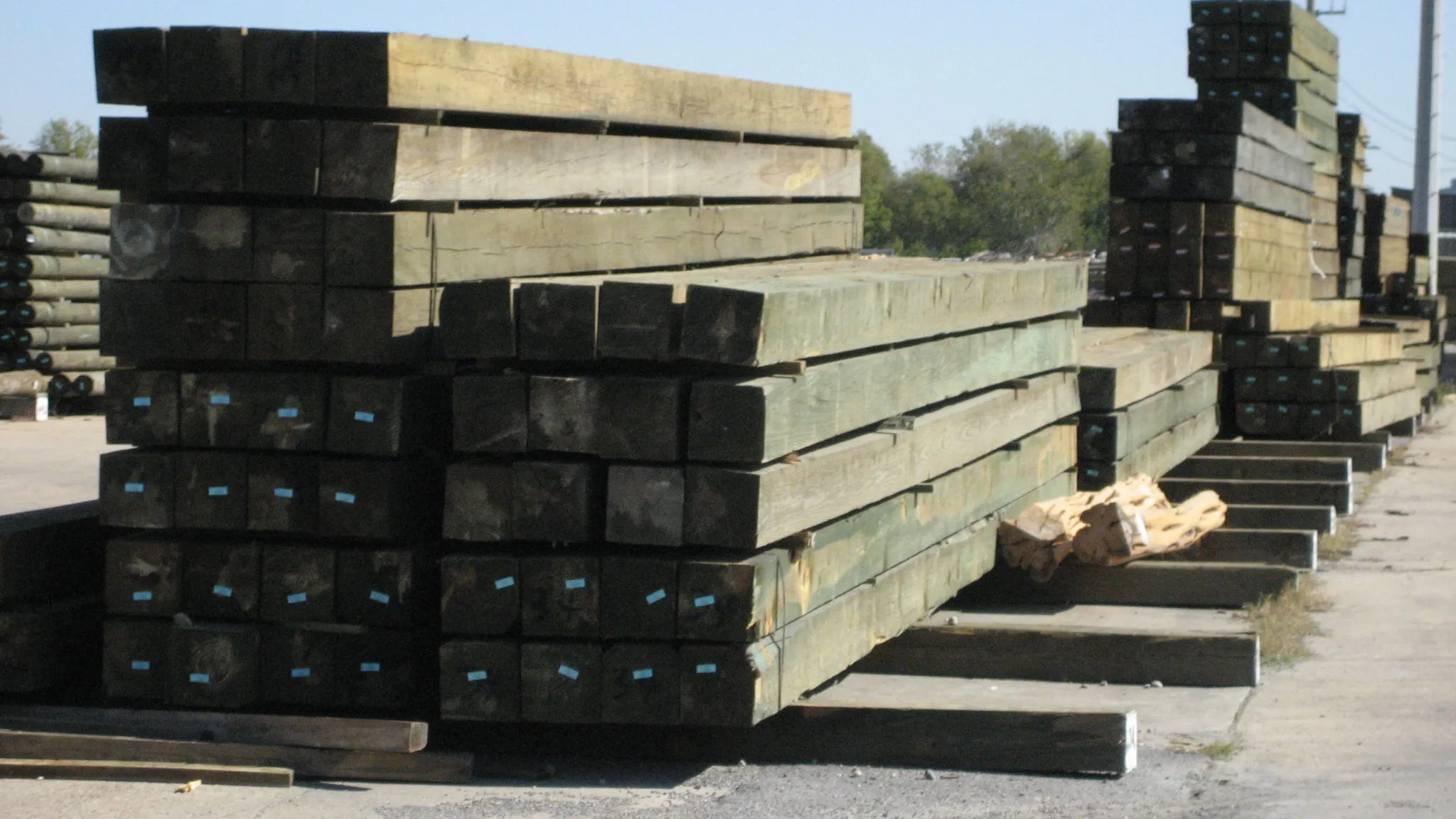
November 19, 2026
Dock Piling Installation: A Guide for Contractors
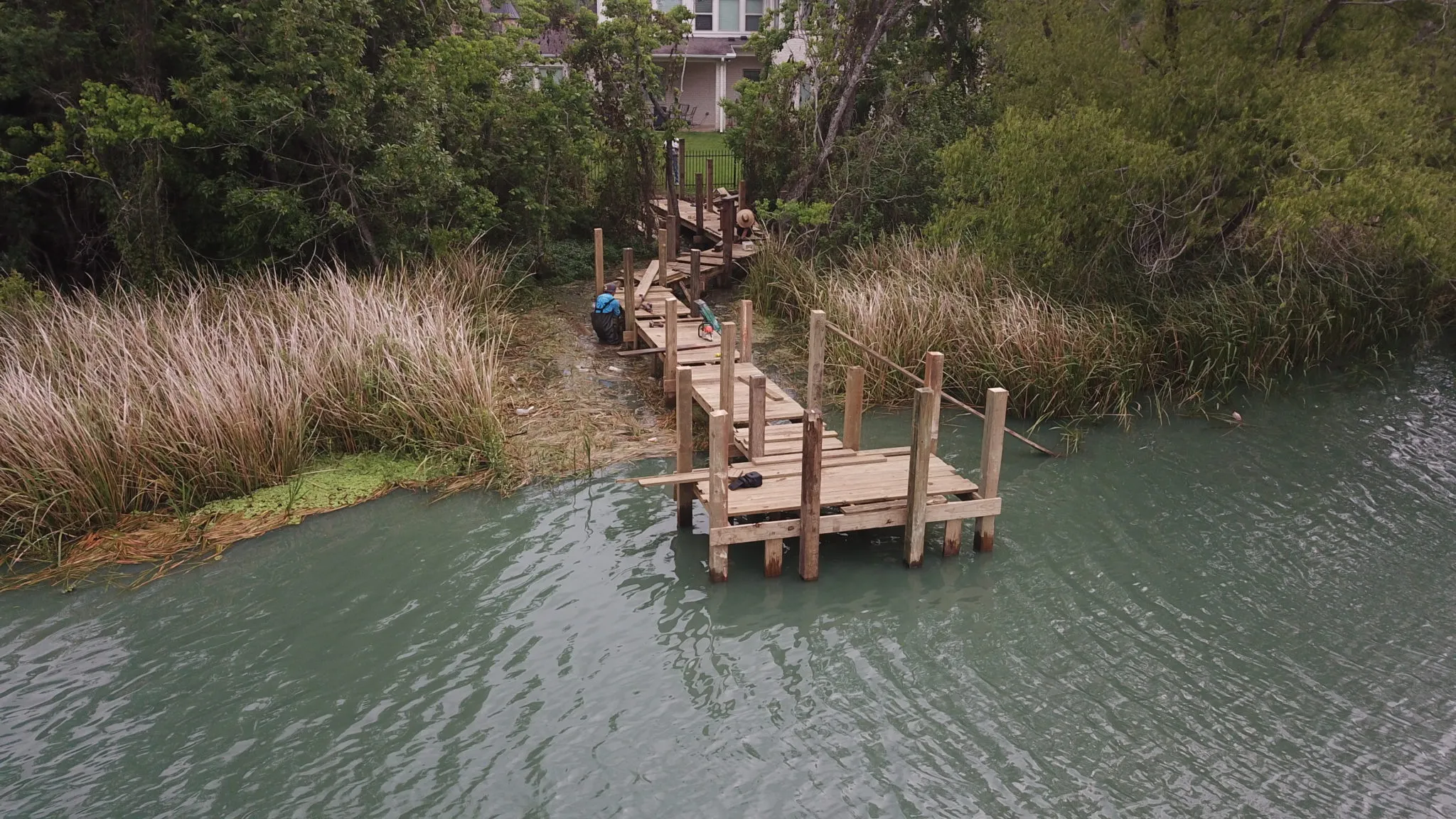
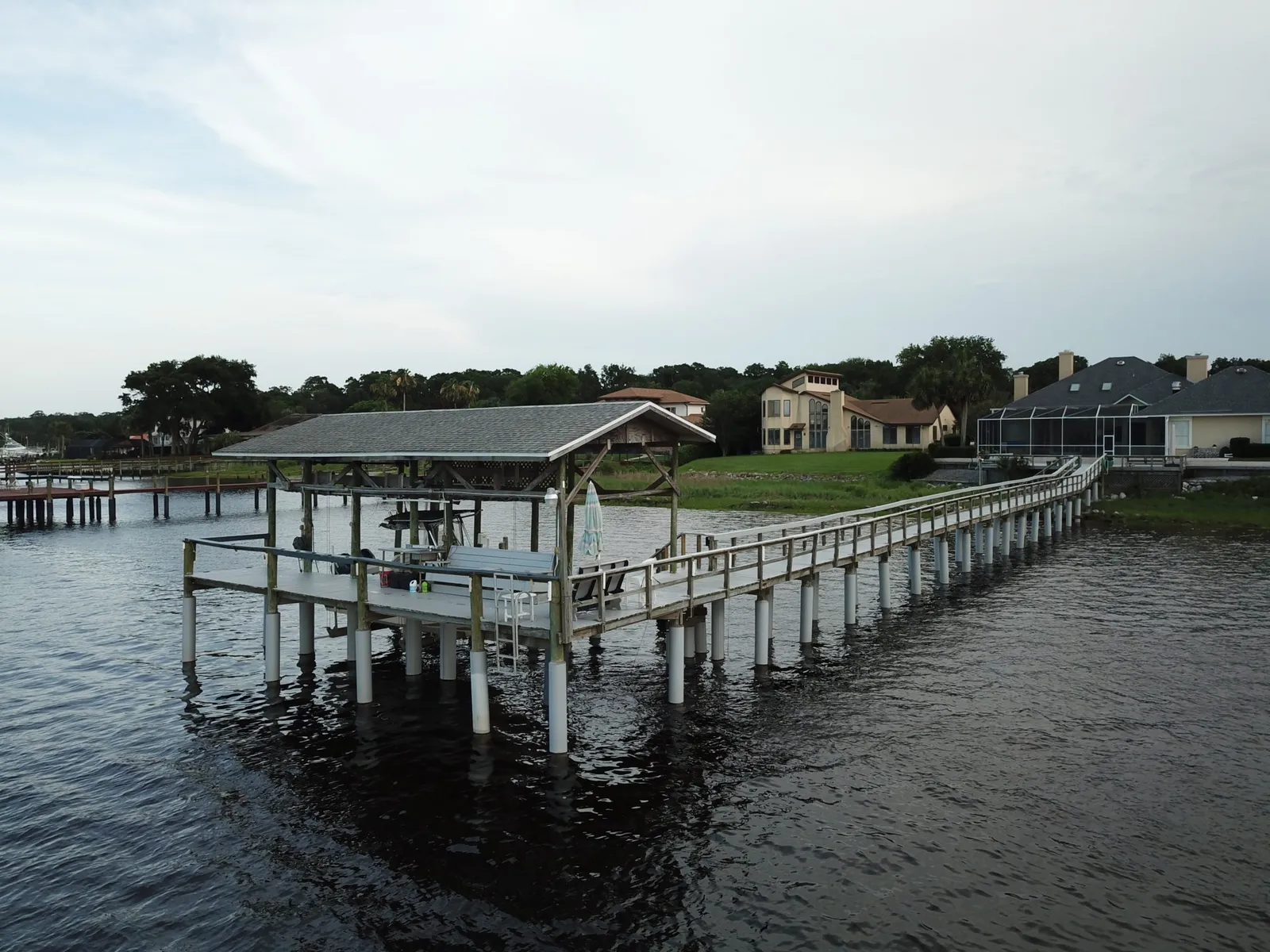
Dock piling installation comes down to 5 decisions: the right piling for the water, a length and embedment your engineer approves, an installation method that suits the soil (driving, jetting or augering), plumb placement on the layout, and treated cuts and capped tops.
Key Takeaways
- Match the treatment to the water. At least .60 pcf in fresh water, 2.5 pcf in salt or brackish water (AWPA UC5C on the Gulf Coast).
- Your engineer or local code sets the embedment, from the soil, loads, water depth, scour and storm exposure.
- Let the soil and the spec pick the method: driving, jetting (typically in sand) or augering.
- Field-treat every cut and cap every top, and coat or jacket pilings where borers are heavy.
Owner planning a dock? American Pole & Timber (APT) isn’t a contractor for dock or piling work. We supply the materials and can help you find a trusted, APT-approved installer near you, whom you hire directly. Tell us about your project.
Which piling should you use for a dock?
For most docks, treated Southern Yellow Pine matched to the water is the standard. Step up to a coated or composite piling where borers are heavy or upkeep must be low. Start with APT’s wood poles and pilings.
Treatment for fresh and salt water
- Fresh water: at least .60 pcf.
- Salt or brackish water: 2.5 pcf. The Gulf Coast is AWPA UC5C: CCA at 2.5 pcf, or dual treatment with CCA at 1.0 pcf followed by creosote at 20 pcf.
- Never in salt water: ACQ or copper azole (CA) lumber, or untreated wood.
Before treating pilings to .60 pcf or more, APT kiln-dries them so the preservative penetrates fully. Specify the Use Category, preservative and retention, and check quality marks on delivery (see pressure treated pilings for marine construction).
Round, square or Gun Barrel Pilings®?
Round treated pilings drive easily, shed current and come long, but taper about 1 inch in diameter per 10 feet. Square timbers give flat faces for bolting but must be turned square to the framing, and many expose heartwood. Gun Barrel Pilings® are machined to one diameter with no taper, up to 52 feet long. Our free Wood Pilings Guide compares them.
Coated and composite options
- Polymer-coated wood: Polyshield® bonded at APT’s facility, a barrier marine borers can’t get through.
- EcoPile: a PVC and fiberglass composite piling with a 25-year limited warranty.
- XPile: a fiber reinforced polymer (FRP) pile with a 50-year design life, spliceable on site.
Weigh treated wood against EcoPile in our guide to the best wood for dock pilings, or try the Piling Selector.
How long and how big should dock pilings be?
Order each piling long enough for the specified embedment, plus the water depth, the height to the framing and a cutoff allowance. The engineer of record and local code set the length and diameter.
- Embedment depends on the soil, loads, storm exposure, scour and code; softer soils typically need more.
- Butt and tip. Round pilings are driven tip (small end) first, and APT’s charts size them at the butt (large end). Specs often set a minimum tip diameter too, so check both ends.
- Cutoff allowance. Pilings don’t always stop at plan depth, so order extra length and cut off to elevation.
- Sizes. APT’s piling size charts run from 9″ to 12″+ butt and 8′ to 55′+ long for round pilings and 8×8 to 12×12 for square timbers, and show which sizes are in stock.
Installing dock pilings: driving, jetting or augering?
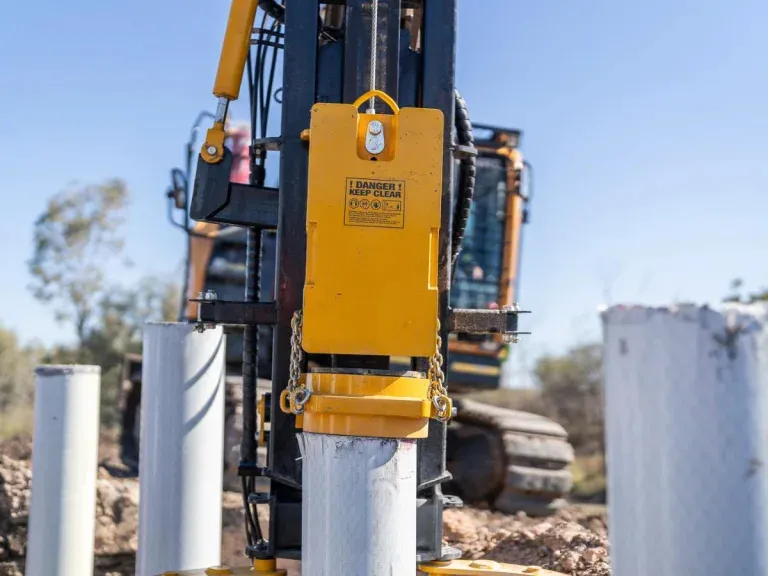
Most dock pilings are driven, jetted or set in augered holes; the soil, site access, permit and engineer’s spec decide which, and many jobs combine 2.
| Method | How it works | Watch for |
|---|---|---|
| Driving | A drop, impact or vibratory hammer drives the piling tip first | Rig access, noise and vibration limits, head damage |
| Jetting | Pumped water loosens sand at the tip so the piling sinks | Permits may limit it; specs often require driving the last few feet to seat the piling |
| Augering | An auger pre-drills a hole; the piling is set, then driven or backfilled | Hole size and backfill must meet the spec; locate buried lines first |
Safety and permits. Rig and lift by the book, keep the crew clear of the hammer and swinging pilings, and wear life jackets over water. Confirm every permit first: on the Gulf Coast that can mean the U.S. Army Corps of Engineers, state agencies and the local building department.
Step by step: a typical dock piling job
- Confirm the plans and permits. Reference designs: free dock and pier plans (PDF).
- Check the site: water depth and tides, soil, and access for the barge or equipment.
- Order pilings, caps, stringers, braces, decking and marine hardware, with treatment, lengths and pre-drilling specified (see dock and pier materials).
- Lay out each piling from fixed reference points, then set it and check plumb in 2 directions as it goes down.
- Drive, jet or auger to the required depth, and record it as the engineer requires.
- Cut off to elevation, field-treat cuts and holes, and cap the tops.
- Bolt the framing (caps, stringers and braces) to the pilings with hot-dip galvanized or stainless hardware.
- Inspect with the owner and the building department.
Get a quote on dock pilings and materials
Tell us the piling type, quantity, size and length, the water (fresh or salt) and your job site ZIP code, and an APT Project Consultant will reply with a quote.
How are pilings used in bulkheads and retaining walls?
Pilings are part of many bulkheads, seawalls and retaining walls too, and the same treatment rules apply, including to the wood in a vinyl wall.
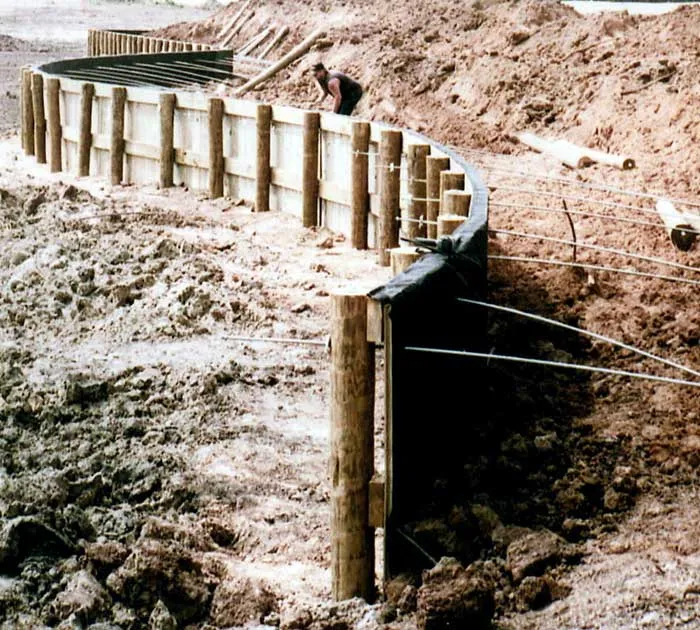
- Wood bulkheads: round or square pilings with wales, center-match sheeting, filter cloth, an optional top cap, tie rods and deadmen.
- Vinyl bulkheads: vinyl sheet piling with wales, back wales, tie rods or tie-back cable, deadmen and, in some designs, pilings.
- Seawall-grade lumber for the sheeting has 1 wide face and both narrow faces free of pith and heartwood, and should be stamped THIS SIDE SEAWARD.
- Tie-backs: APT supplies tie-back rods, Manta-Ray anchors, and bulkhead and retaining wall fastener kits.
Wall height, tie-backs and embedment are your engineer’s calls. See bulkhead materials and seawall, bulkhead and retaining wall repair.
How do you protect and repair dock pilings?
Protect the cut tops, bolt holes and waterline zone, and repair damage early.
- Treat cuts and holes. AWPA Standard M4 calls for field treatment of every cut and hole through the treated shell, with copper naphthenate at a minimum of 2% copper metal. Cutting and drilling before treatment avoids most of it.
- Cap the tops to keep sun and water out of the end grain.
- Coat the waterline. Polyshield® zone coating is factory-applied, and a field patch kit seals site cuts.
- Repair in place. SnapJacket snaps around a damaged piling and is filled with concrete, with the deck left in place. Jackets come in 10-, 12-, 14- and 16-inch diameters; choose one with at least 1½ inches of space all around the pile.
For service life by region, see how long wood pilings last in saltwater.
Mistakes to avoid on dock piling jobs
- Freshwater treatment (.60 pcf) or ACQ lumber in salt water.
- No cutoff allowance, so a piling that must go deeper comes up short.
- Zinc-plated hardware in salt air: use hot-dip galvanized or stainless, with zinc or copper grease on the threads.
- Working outside the permit, or putting off repairs on damaged pilings.
Need materials? APT supplies dock pilings, hardware and dock materials, cut to your plans and delivered. Contractors: see how we supply, support and assist, or call 1 (800) 716-0636.
Dock piling installation FAQ
How deep should dock pilings be driven?
The engineer of record or local code sets the depth, based on soil information, loads, water depth, storm exposure and scour; softer soils typically need more. Order enough length for that depth plus the water depth, framing height and a cutoff allowance.
What treatment do dock pilings need in salt water?
Saltwater and brackish pilings need 2.5 pcf treatment. The Gulf Coast is AWPA Use Category UC5C: CCA at 2.5 pcf, or dual treatment with CCA at 1.0 pcf and creosote at 20 pcf. ACQ and copper azole lumber aren’t for saltwater pilings.
Can you install dock pilings without a pile driver?
Sometimes. In sand, crews may jet pilings in with a water pump; in other soils, they may auger a hole, set the piling and backfill it. Many specs still call for driving the last few feet to seat the piling, and some permits limit jetting, so check both.
How far apart should dock pilings be?
Spacing comes from the dock’s design: the span of the caps and stringers, the loads, the decking and local code. Follow the engineer’s drawings or approved plans, not a rule of thumb. APT’s dock and pier materials page links to free dock and pier plans.
Can damaged dock pilings be repaired instead of replaced?
Often, yes. SnapJacket, a vinyl sleeve, snaps around a rotted or borer-damaged piling and is filled with concrete, so the deck stays in place. Jackets come in 10-, 12-, 14- and 16-inch diameters with a 25-year warranty. The contractor or engineer decides after an inspection.
Should I hire a contractor to install dock pilings?
For most owners, yes. Setting pilings in water can take equipment such as a barge, crane or auger, plus permits and experience. APT isn’t a contractor for dock or piling work, but we can help you find a trusted, APT-approved installer near you. You hire the installer directly; price, schedule and workmanship are between you and the installer.
Find an APT-approved installer
Need someone to build the dock? Tell us about the job in the form below: the project ZIP code, the type of project, fresh or salt water, the approximate size and your timeline. Then we’ll help you find an APT-approved installer near the project, an independent contractor you hire directly. The same form reaches our Project Consultants for a materials quote.
Posted in News & Articles, Products
Massive Selection. Custom Production. We Get Your Project Moving Fast.
Ready to start your pole & timber project?