
November 19, 2026
Marine Grade Lumber: What It Is and When You Need It
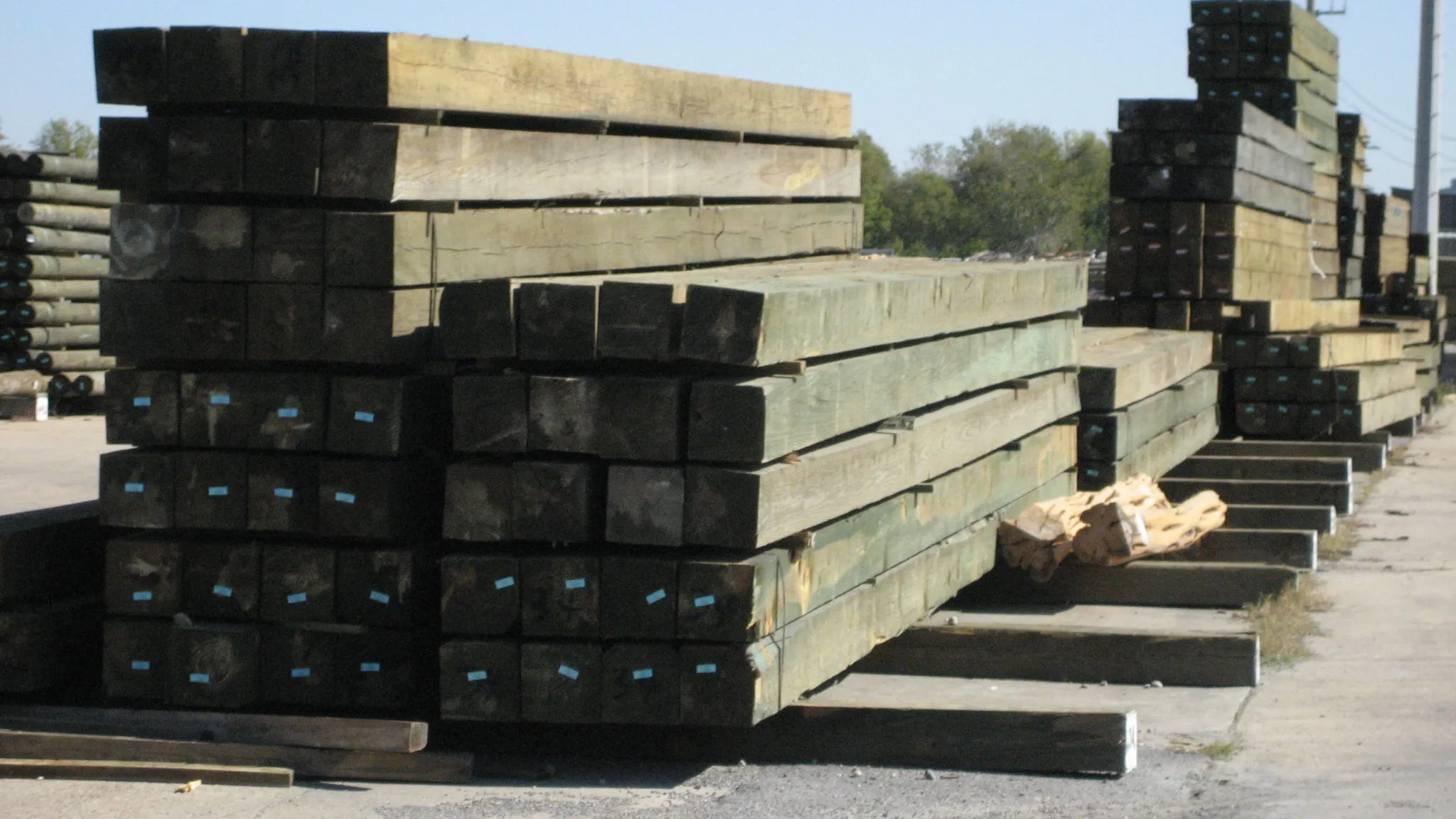
Marine grade lumber is wood pressure treated to the level required for use in water, above all salt water. It isn’t a separate species: it’s usually Southern Yellow Pine with a higher preservative retention. American Pole & Timber (APT) recommends at least .60 pcf in fresh water and 2.5 pcf, typically CCA, in salt or brackish water.
We supply treated lumber at marine retentions, plus complete dock and pier materials.
Planning a dock, bulkhead or retaining wall? APT isn’t a contractor. We supply the materials, support your project and can help you find a trusted, APT-approved installer near you, whom you hire directly. Tell us about your project.
Key Takeaways
- Marine grade means the treatment, not the tree: pressure treated lumber with a higher retention for water.
- Match the retention to the water. At least .60 pcf in fresh water, 2.5 pcf in salt or brackish water. Gulf Coast salt water is AWPA UC5C, the most severe marine zone.
- Mind the splash zone. Framing just above salt water needs ground-contact treatment or more; anything the tide can submerge is treated like the pilings.
- Don’t over-buy. Deck boards and rails well clear of the water don’t need saltwater retention.
- Protect it further with Polyshield® polymer coating, or use EcoPile, XPile or vinyl sheet piling where borers are heavy.
What is marine grade lumber?
Marine grade lumber, also called marine treated wood, is lumber pressure treated to the retention its water exposure calls for, so it resists rot and marine borers while it stands in water or gets soaked by it. For salt water, it’s treated with CCA (chromated copper arsenate), a restricted-use preservative, or creosote; the copper azole and ACQ lumber sold for decks isn’t made for salt water.
The term has a second meaning. The Southern Pine Inspection Bureau’s grading rules include a Marine grade, with all 4 faces free of pith and heartwood, and a Seawall grade for bulkhead sheeting, with 1 wide face and both narrow faces clear, stamped THIS SIDE SEAWARD. Both put fully treated sapwood on the faces borers attack. If your engineer specifies a grade as well as a retention, order both; see pressure treated pilings for marine construction.
How much treatment do you need in fresh water, salt water and the splash zone?
Use at least .60 pcf in fresh water and 2.5 pcf in salt or brackish water. For framing in the saltwater splash zone, we usually recommend .60 pcf CCA where CCA is allowed; ask us which preservative fits your project.
| Where the wood goes | Typical parts | What APT recommends |
|---|---|---|
| Fresh water: lakes, rivers, ponds | Pilings, bulkhead and retaining wall parts, dock members in the water | At least .60 pcf |
| Salt or brackish water | Pilings, bulkhead sheeting, wales, anything submerged | 2.5 pcf, typically CCA |
| Saltwater splash | Stringers, joists and beams just above the water | .60 pcf (CCA where allowed); framing at least UC4A, or UC4B closer to the water |
AWPA’s Use Category system splits U.S. coastal waters into 3 marine zones by the borers in them: UC5A in the north, UC5B in the central waters, and UC5C south of Georgia, including the entire Gulf Coast. UC5C is the most severe: pilings there typically get CCA at 2.5 pcf, or dual treatment with CCA at 1.0 pcf followed by creosote at 20 pcf.
When do you need marine grade lumber?
You need it for wood that stands in water, sits in wet ground at the water’s edge, or gets soaked by tides and spray:
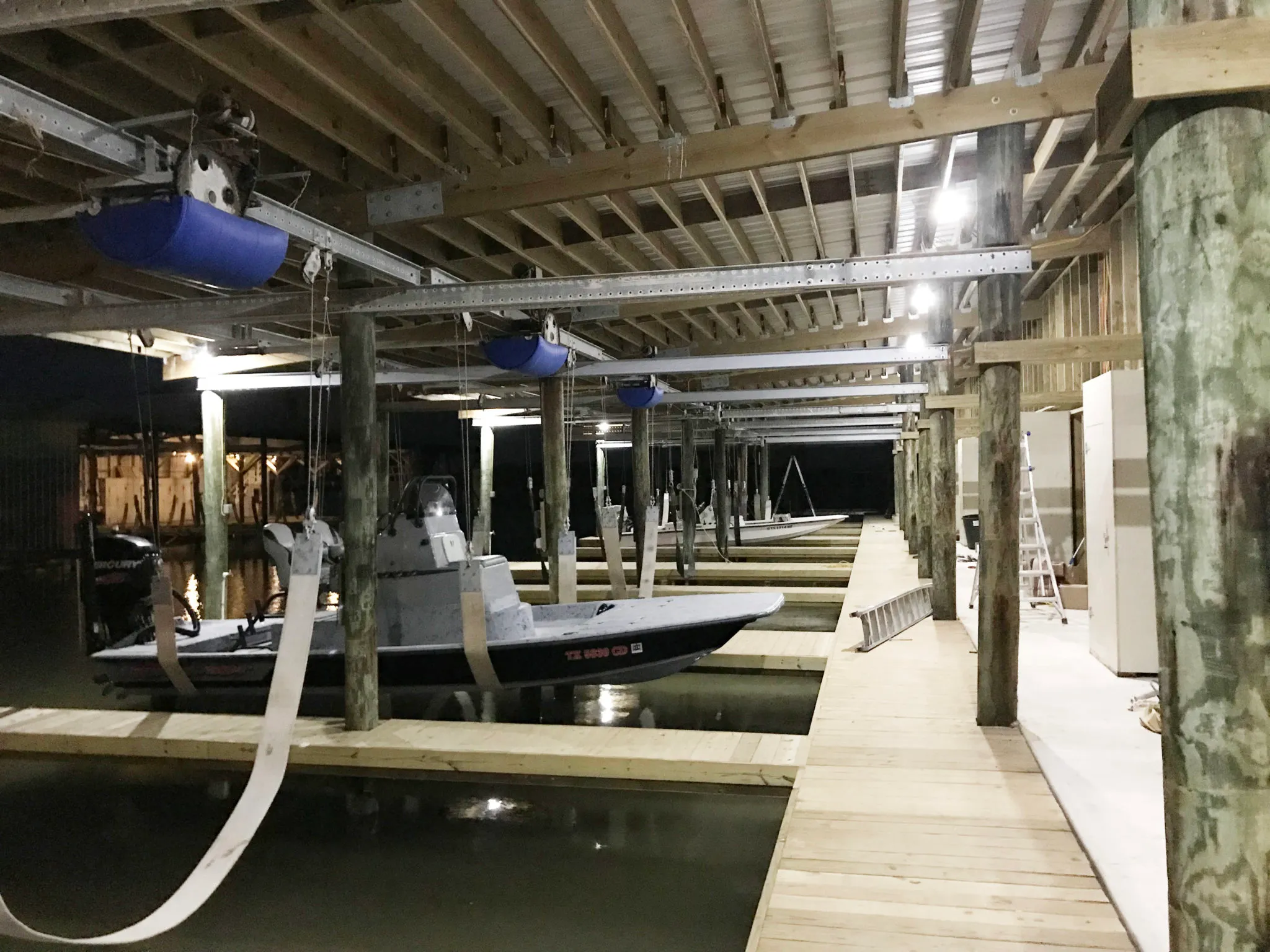
- Pilings for docks, piers, boathouses and marinas: see our wood poles and pilings.
- Bulkheads and seawalls: center-match sheeting, wales and caps.
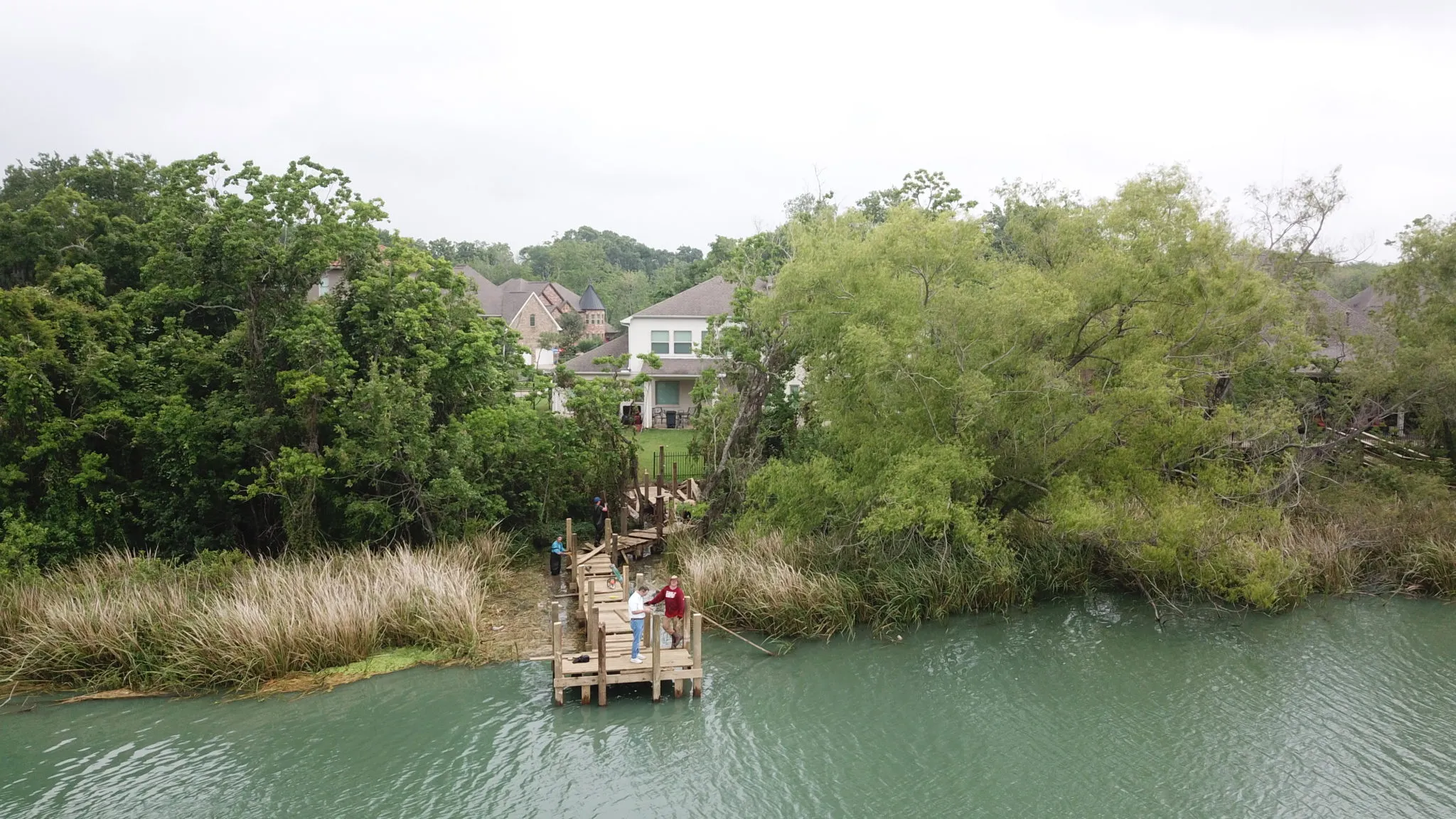
- Retaining walls at the water’s edge, all wood or with wood parts on vinyl sheet piling.
- Dock and pier framing in the splash zone: stringers, pile caps, braces and joists.
- Boathouses and wave breaks that take spray and wave action.
When you don’t need it
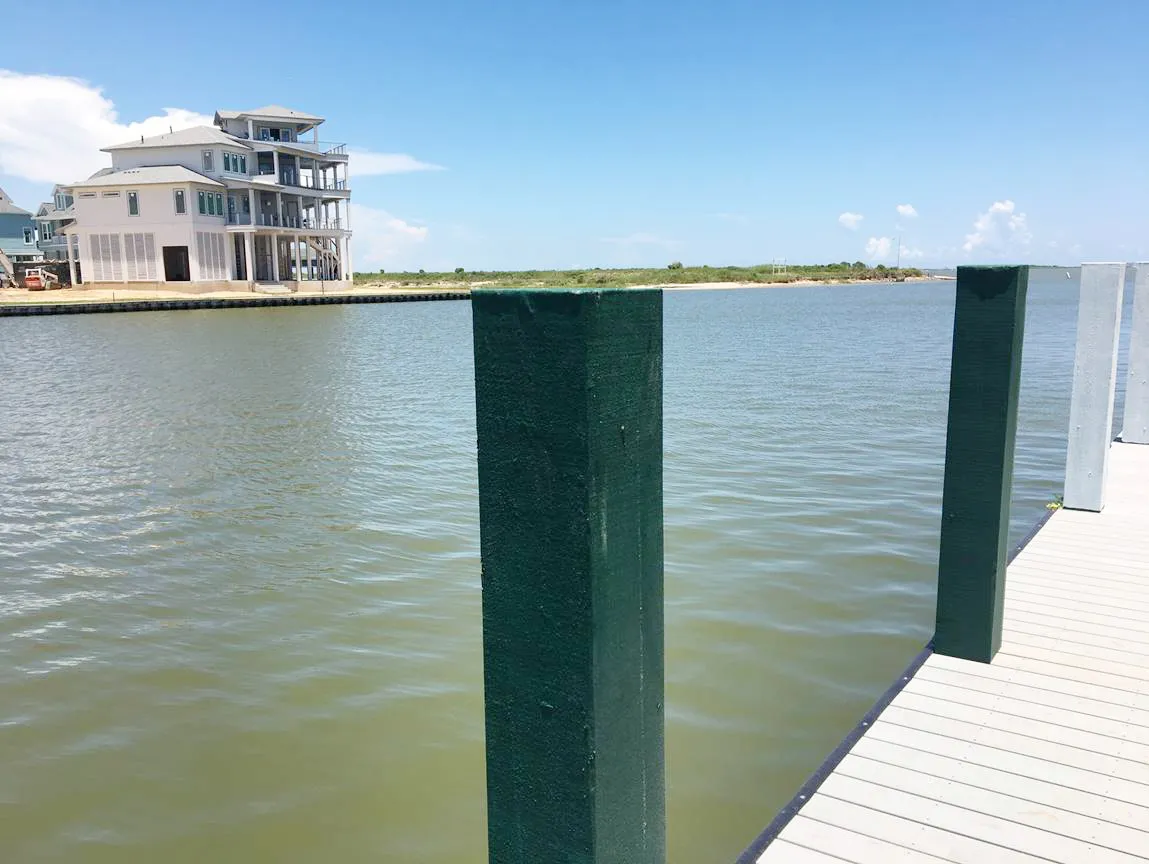
Not every board on a waterfront project needs saltwater retention, and over-treating only adds cost. Deck boards, rails and benches well above the water, which dry out between rains, can be standard treated decking or a premium surface such as Duxxbak, SureStep, composite or IPE.
How do you make marine lumber last longer?
Start with the right retention, then protect the wood where water and borers hit hardest:
- Coat it. Our Polyshield® polymer wood coating bonds to treated wood to keep out marine borers and termites, resist UV and rot, and keep treatment chemicals from leaching into the water. We apply it at our facility, as a full coat or a zone coat at the waterline.
- Cut and drill before treatment. We can cut and drill to your plans. Treat field cuts and holes with copper naphthenate (at least 2% copper metal, per AWPA Standard M4), and cap pile tops.
- Use marine hardware: stainless steel, hot-dip galvanized or coated for marine use, with zinc or copper grease on bolt threads before you tighten the nuts. We ship hardware with your order.
- Inspect every year for rot, borer holes and soft spots near the mud line. SnapJacket piling repair can extend the life of pilings that are starting to fail.
Treatment has limits. Gribbles (Limnoria) can attack even creosote-treated wood; see marine wood-destroying organisms. And salt kill, the fuzzy fiber damage on the sunny side just above the tide line, comes from salt crystals, not organisms, so no treatment reliably stops it.
What are the alternatives to treated wood in the water?
Where borers are heavy, upkeep must be low or salt kill is a risk, a non-wood product may be the better choice:
- EcoPile vinyl composite pilings: impervious to wood-boring organisms and free of leaching chemicals, with a 25-year limited warranty.
- XPile fiber reinforced polymer (FRP) marine piles: no rot or rust, resistant to marine borers, with a 50-year design life.
- Vinyl sheet piling for bulkheads, seawalls and retaining walls: the vinyl won’t rot or feed borers, though the wall’s wood wales still need marine treatment.
To see how treated pilings hold up over time, read how long wood pilings last in saltwater.
How do you order marine grade lumber?
Tell us where the wood is going and we’ll match the species, treatment and retention to it. A complete request includes:
- Fresh, brackish or salt water, and the project location
- Each part’s size, length and quantity: pilings, timbers, lumber and decking
- The retention, Use Category and grade, if your engineer specified them
- Coating, cutting and drilling, and hardware
- The delivery address and the date you need it
Price depends on those choices and on the market, so we quote each project. Start with our treated lumber and dock materials pages, request a quote or call 1 (800) 716-0636.
Marine grade lumber FAQ
Can you use marine grade lumber for a deck at home?
For a deck on land, no. Saltwater marine lumber is usually treated with CCA, which isn’t permitted for residential uses such as decks, and you don’t need that much preservative. Use above-ground lumber (UC3B) for deck boards and joists that dry out, and ground-contact lumber (UC4A) for posts, stair stringers and framing near the soil. Save marine retentions for wood in the water or the splash zone.
Can you use regular pressure treated lumber for a dock?
Not for the parts in or near the water. Lumber sold for decks is usually treated for above ground or ground contact, and copper azole or ACQ lumber isn’t made for salt water. Pilings and members in the water need at least .60 pcf in fresh water and 2.5 pcf in salt water. Deck boards well above the water can be standard treated decking.
What retention do you need in fresh water?
At least .60 pcf for pilings, timbers and lumber in fresh water, and the same rule covers the wood parts of a freshwater bulkhead or retaining wall. Timbers for in-ground or freshwater use can also be treated to .80 pcf if your engineer calls for more. Ask us which preservative fits your project.
Do retaining walls need marine grade lumber?
If the wall stands in water or at the water’s edge, yes: at least .60 pcf in fresh water and 2.5 pcf in brackish or salt water, the same as a bulkhead. On dry land, it needs at least ground-contact treatment, not saltwater retention. For a longer-lasting waterfront wall, consider vinyl sheet piling with marine-treated wales, or polymer-coated timbers.
Is marine plywood the same as marine grade lumber?
No. Marine plywood is a plywood grade made with waterproof glue and veneers with few or no gaps in the core, so it resists delaminating when wet. It usually isn’t pressure treated, so on its own it isn’t protected against rot or marine borers. Marine grade lumber is solid lumber pressure treated for water exposure.
Does APT build docks, bulkheads or retaining walls?
No. APT isn’t a contractor, and we don’t build or repair docks, bulkheads or retaining walls. We supply the lumber, pilings, vinyl and hardware; support your project with our Project Consultants and custom cutting and drilling; and assist with delivery and with finding a trusted, APT-approved installer near you. You hire the installer directly, and price, schedule and workmanship are between you and the installer.
Get a quote on marine grade lumber and dock materials
Use the form below or call 1 (800) 716-0636. Send your materials list (sizes, lengths and quantities), the water type and your project ZIP code, and an APT Project Consultant will reply with a quote.
Find an APT-approved installer
Need someone to build it? Tell us about your dock, bulkhead or retaining wall in the same form, and we’ll help you find an APT-approved installer near the project, an independent contractor you hire directly. Repairing a wall? See seawall, bulkhead and retaining wall repair.
Posted in News & Articles, Products
Massive Selection. Custom Production. We Get Your Project Moving Fast.
Ready to start your pole & timber project?